




Overview
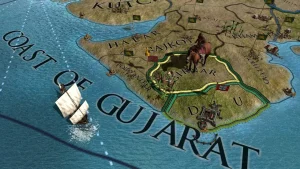
Europa Universalis IV is a large-scale historical strategy game where players control a country and shape its future across the early modern era. The game focuses on statecraft, expansion, diplomacy, religion, economics, and warfare, giving players the freedom to build a powerful empire, protect a small kingdom, dominate world trade, or completely rewrite history through their own decisions.
Setting and Time Period
The game spans roughly four centuries, beginning in 1444 and continuing into the early 19th century. This period covers major historical events such as the fall of empires, religious conflicts, colonial expansion, global trade growth, revolutions, and the rise of great powers. Players can choose from nations all over the world and lead them through this changing historical era.
Gameplay
Europa Universalis IV is built around managing every important part of a nation. Players handle diplomacy with rivals and allies, recruit armies and navies, manage the economy, expand territory, develop provinces, handle internal unrest, and decide how their nation should grow over time. The game rewards long-term planning and smart decision-making rather than quick reactions.
- Lead one of many nations across the world
- Manage diplomacy, warfare, trade, and religion
- Expand through conquest, alliances, colonization, or economic strength
- Develop provinces and improve national infrastructure
- Handle rebellions, stability, and internal politics
- Play in single-player or multiplayer campaigns
Diplomacy
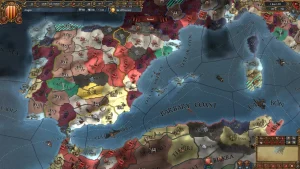
Diplomacy is one of the most important systems in Europa Universalis IV. Players can form alliances, improve relations, create royal marriages, sign peace treaties, support subjects, form coalitions, and use diplomacy to survive or dominate. A strong diplomatic strategy can be just as powerful as military conquest, especially for smaller nations surrounded by stronger enemies.
Warfare
War in Europa Universalis IV is about much more than just building a large army. Success depends on manpower, morale, discipline, terrain, leadership, supply, and timing. Naval warfare also plays a major role, especially for trade empires and colonial powers. Players must think carefully before entering major conflicts, because long wars can destroy economies and weaken states from within.
Trade and Economy
The game includes a deep trade system where players can control trade nodes, send merchants, collect wealth, and direct the flow of global commerce. Economy is vital for supporting armies, building structures, maintaining fleets, and funding expansion. Rich trade empires can become world powers even without conquering huge amounts of land.
Colonization and Exploration
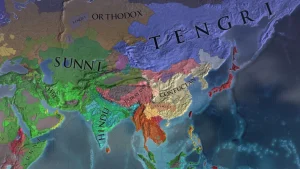
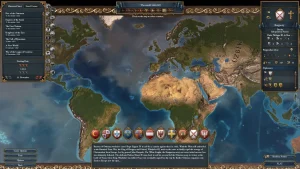
Europa Universalis IV allows players to explore unknown regions, discover new lands, and establish colonies overseas. Nations with the right ideas, resources, and location can build colonial empires in the Americas, Africa, Asia, and beyond. Colonization adds another major layer to the game, combining exploration, trade, warfare, and competition between great powers.
Religion and Culture
Religion and culture strongly influence gameplay. Different faiths and cultures affect stability, diplomacy, unrest, and national identity. Players may choose tolerance, conversion, religious unity, or cultural acceptance depending on their strategy. Religious conflicts can become major turning points, especially in large multi-faith empires.
Province and Nation Management
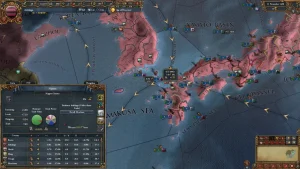
Every province in the game matters. Provinces provide taxes, manpower, trade value, and strategic importance, but they can also bring unrest, rebellion, or cultural and religious problems. Players must manage the balance between growth and control, making internal administration just as important as foreign conquest.
Main Features
- Grand strategy gameplay across four centuries
- Hundreds of playable nations around the world
- Deep diplomacy, military, and economic systems
- Trade, colonization, religion, and culture mechanics
- Historical sandbox with alternate history possibilities
- Single-player and multiplayer support
- Large post-launch expansion and update support
Expansions and Long-Term Support
One of the reasons Europa Universalis IV remained popular for so long is its massive post-launch support. Over the years, the game received many expansions, immersion packs, updates, and free patches that added new mechanics, improved old systems, and expanded regional depth. This long support cycle helped the game grow far beyond its original launch version.
Single-Player and Multiplayer
The game supports both single-player and multiplayer modes. In single-player, players can enjoy long campaigns at their own pace, learning systems and building alternate histories. In multiplayer, nations compete or cooperate in large campaigns where diplomacy and betrayal can become even more dramatic because human players replace AI rulers.
Developer and Publisher
- Developer: Paradox Development Studio, later also Paradox Tinto
- Publisher: Paradox Interactive
- Genre: Grand strategy
- Engine: Clausewitz Engine
Release Date
Europa Universalis IV was released on August 13, 2013.
Platforms
- PC (Windows)
- macOS
- Linux
Why Europa Universalis IV Stands Out
Europa Universalis IV stands out because of its scale, freedom, and historical depth. It is not just a war game or a map-painting simulator. It is a full historical sandbox where diplomacy, economics, religion, colonization, and internal politics all matter. This gives every campaign a different story and makes the game highly replayable.
Who Should Play It
This game is ideal for players who enjoy grand strategy, historical settings, long-term planning, diplomacy, and deep systems. It is especially appealing to players who want a complex strategy experience where careful decisions can shape the fate of an entire nation over centuries.
Final Verdict
Europa Universalis IV is one of the most important grand strategy games of its generation. With its huge historical scope, deep mechanics, and years of updates and expansions, it offers an incredibly rich experience for players who enjoy building empires, managing nations, and rewriting world history through strategy and intelligence.